
Why Visit Locarno
Locarno offers a different interpretation of southern Switzerland from nearby Lugano.
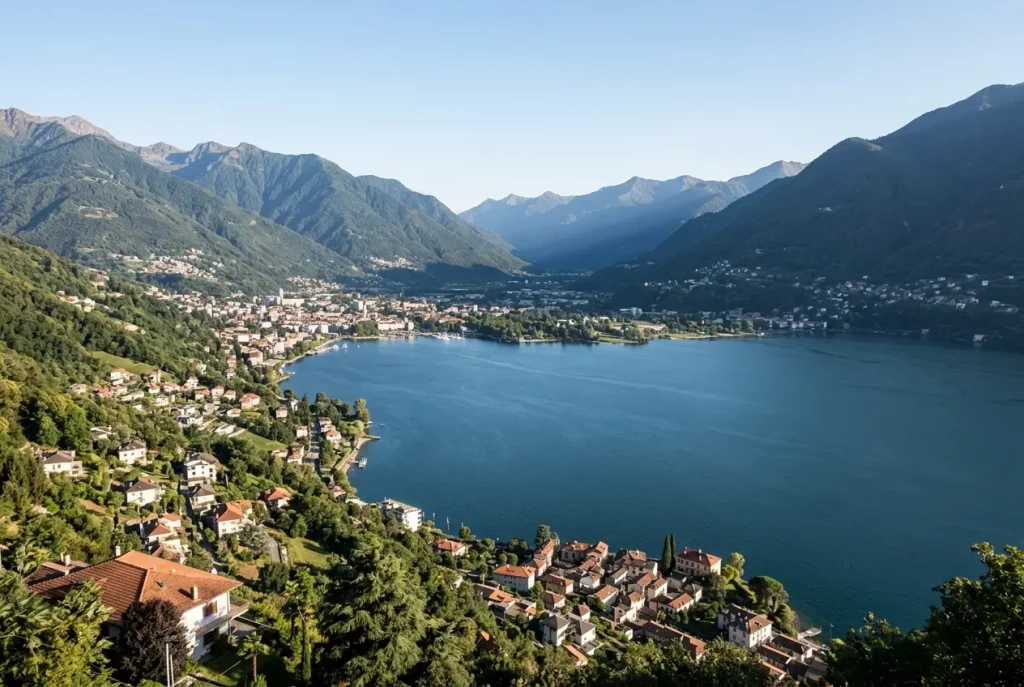
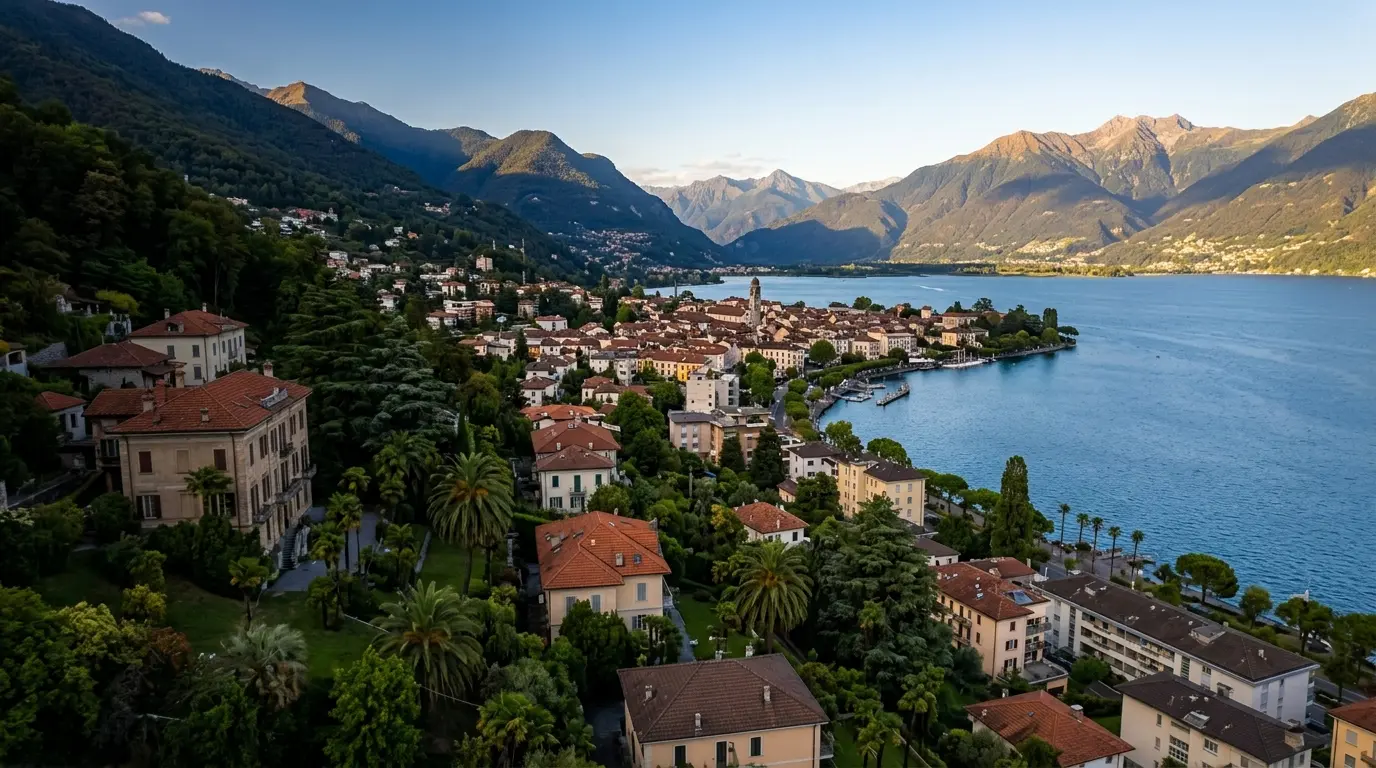
Set on the Swiss shore of Lake Maggiore, the town combines a historic centre, a relaxed lakeside atmosphere and a strong cultural identity shaped in particular by Piazza Grande and the Locarno Film Festival.
Its location also makes it an excellent starting point for discovering some of Ticino’s most distinctive landscapes. Within a relatively compact area, a stay can combine the lake, the mountains above Locarno and private journeys into valleys such as Verzasca and Maggia.
Locarno is therefore best approached not as a conventional luxury resort, but as a cultural and scenic base for experiencing the western side of Ticino.
Piazza Grande and the Historic Centre
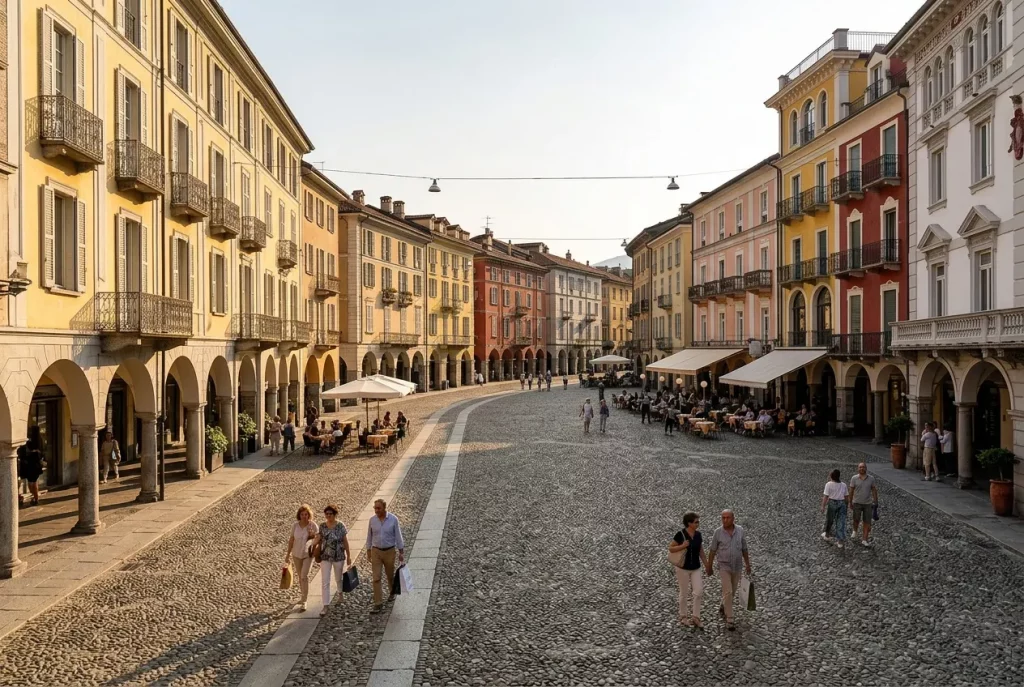
Piazza Grande provides the natural centre of Locarno.
Its broad open space, historic façades and surrounding streets create a distinctive urban setting that feels very different from the more cosmopolitan atmosphere of Lugano.
The square is also inseparable from Locarno’s cultural identity, particularly during major events, while the streets surrounding it lead naturally into the historic centre.
The Old Town
Beyond Piazza Grande, Locarno becomes more intimate.
Narrow streets, small squares and historic buildings create a quieter environment that rewards exploration on foot.
Rather than approaching the centre as a sequence of attractions, a private walk can connect the architecture, local history and daily character of the town.
Locarno’s scale makes this particularly appealing for travellers who prefer slower cultural experiences rather than intensive sightseeing.
The Lakeside Promenade
The atmosphere changes again as the town approaches Lake Maggiore.
The waterfront opens towards the lake and surrounding mountains, creating one of the defining contrasts of Locarno: historic streets only a short distance from an expansive lakeside landscape.
Time beside the water can form a natural part of the day rather than a separate excursion.
Culture and the Locarno Film Festival
Culture is one of the strongest elements of Locarno’s identity.
The Locarno Film Festival has given the town an international reputation that reaches far beyond Ticino and reinforces the role of Piazza Grande as more than simply a historic square.
The Festival should nevertheless remain part of the wider Locarno story rather than dominate an evergreen travel guide.
Travellers visiting during the festival period can build a stay around cinema, dining and cultural experiences, while those arriving at another time of year can still appreciate the relationship between the event and the identity of the town.
A future dedicated Film Festival Guide can cover accommodation, private transportation and travel planning in greater detail without turning this general Locarno guide into an event page.
The Mountains Above Locarno
One of Locarno’s strongest qualities is the speed with which the environment changes from lakefront town to mountain landscape.
Above the city, Madonna del Sasso and Cardada-Cimetta create opportunities to experience Locarno from a completely different perspective.
Madonna del Sasso
Madonna del Sasso stands above Locarno in Orselina and forms one of the most recognisable cultural landmarks in the area.
Its elevated position creates a natural connection between the town below and the mountains above.
For travellers interested in heritage, architecture and landscape, the site can form part of a privately planned cultural experience rather than simply a short sightseeing stop.
The detailed religious history and visiting arrangements are better developed within a dedicated Experience page.
Cardada and Cimetta
Higher above Locarno, Cardada and Cimetta introduce a mountain environment only a short distance from the lake.
The area offers wide views over Lake Maggiore and the surrounding valleys, together with hiking and time in the landscape.
Official regional tourism describes Cardada-Cimetta as Locarno’s local mountain, accessible from Orselina and used year-round for hiking, cycling and panoramic experiences.
For Luxury Switzerland, the strongest approach is not to reproduce transportation schedules or attraction information, but to develop Cardada and Cimetta later as a privately arranged mountain experience.
Where to Stay in Locarno
Locarno’s premium accommodation collection is deliberately smaller than those of Lugano, St. Moritz or Geneva.
Hotel Belvedere Locarno sits above the town with views towards Lake Maggiore and provides the clearest premium hotel option within Locarno itself.
La Palma au Lac offers a contrasting stay directly beside the lake, combining waterfront access with a more contemporary atmosphere.
Villa Orselina sits higher above Locarno in neighbouring Orselina and offers another elevated perspective over Lake Maggiore.
These properties are sufficient for a curated Guide, but they should not be expanded artificially into a large hotel collection.
Travellers seeking a deeper luxury-resort ecosystem can also consider nearby Ascona, which has its own distinct hotel landscape and should be treated separately rather than presented as part of Locarno.
Exceptional Experiences
Locarno becomes particularly interesting when the town is used as a starting point for experiences around Lake Maggiore and the surrounding valleys.
Private Time on Lake Maggiore
A private boat experience provides a different perspective on Locarno and the Swiss shore of Lake Maggiore.
From the water, the relationship between the town, surrounding mountains and neighbouring lakeside communities becomes much clearer.
The lake itself extends beyond Switzerland into Italy, so detailed Lake Maggiore travel belongs within a dedicated regional Guide rather than being absorbed by Locarno.
A future private cruise can focus specifically on the Swiss side of the lake and the landscapes around Locarno and Ascona.
Verzasca Valley
The Verzasca Valley provides one of the strongest landscape contrasts to Locarno.
A privately planned day can move from the lakeside environment into a much more dramatic Alpine valley of stone villages, mountain scenery and clear river landscapes.
Because the valley has its own identity, detailed content should live within a future Verzasca Guide and private Experience page.
Locarno should simply introduce it as one of the significant regional journeys accessible from the town.
Valle Maggia
Valle Maggia provides another route into the landscapes north of Lake Maggiore.
Its villages, mountains and rural character create a very different experience from Piazza Grande and the lakefront.
For travellers spending several nights in the region, a private day in the valley can add considerable depth to a Locarno stay.
Locarno and Ascona
Locarno and Ascona are close geographically but should not be treated as the same destination.
Locarno has a stronger cultural and urban character centred on Piazza Grande, the Film Festival and its role as a regional transport centre.
Ascona is smaller and more intimate, with a boutique lakeside atmosphere and a stronger concentration of resort-style luxury hospitality.
For travellers, the two destinations complement each other particularly well.
A stay can be based in either one while including time in the other, but the editorial distinction should remain clear.
A dedicated Ascona Guide will eventually explore its waterfront, hotels and wellness identity separately.
Beyond Locarno
Locarno also works well as a base for discovering western Ticino.
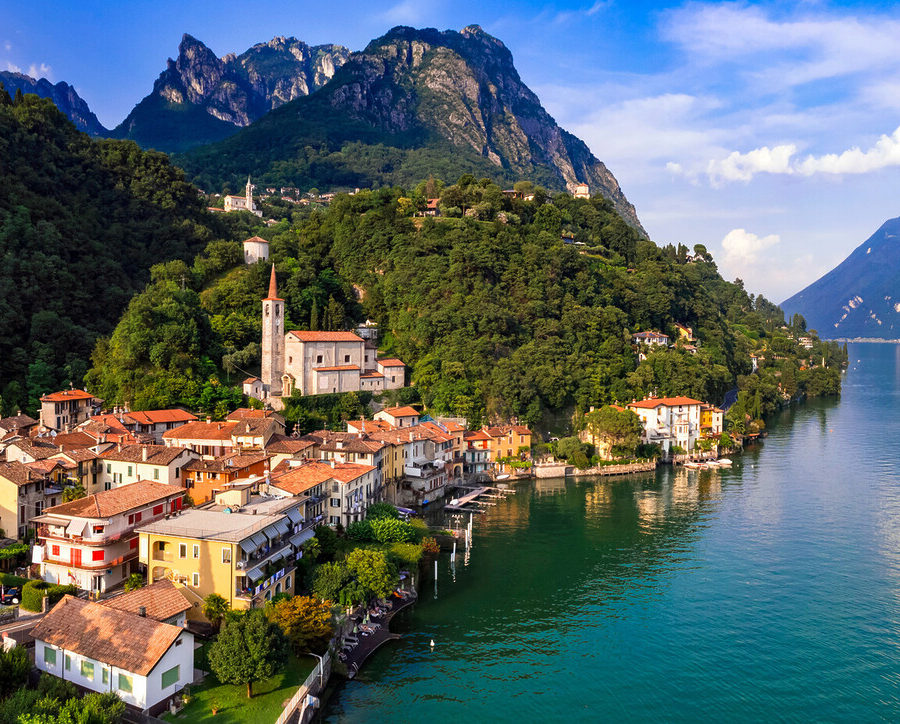
Lake Maggiore, Ascona, Verzasca Valley and Valle Maggia each offer a different environment within a relatively compact region.
The broader Ticino story, however, extends well beyond Locarno.
A future Ticino Guide should connect these places with Lugano, Bellinzona and the wider canton without asking any single destination page to represent the entire region.
When to Visit Locarno
Locarno can be visited throughout much of the year, although the experience changes considerably with the seasons.
Spring and autumn are particularly attractive for exploring the town, lake and surrounding landscapes at a slower pace.
Summer brings a livelier waterfront atmosphere and the major cultural period associated with the Locarno Film Festival.
Winter is quieter and can suit travellers interested primarily in culture, hotels and short regional stays rather than an outdoor programme.
The exact season should therefore be chosen according to whether the journey is centred on culture, the lake or the surrounding landscapes.
Getting There and Around
Locarno is well connected within Ticino and can be reached by rail from other major Swiss cities.
For central sightseeing, much of the historic area can be explored on foot.
Private chauffeur travel becomes more useful for hotel arrivals with luggage and for journeys beyond the town towards Ascona, the surrounding valleys or other destinations in Ticino.
Unlike Lugano, Locarno does not currently justify a large collection of dedicated transfer pages.
Private transportation should therefore remain part of the wider chauffeur offering rather than forcing route-specific SEO pages without meaningful search demand.
Continue Your Journey
Lugano provides the natural complement to Locarno within Ticino.
Where Locarno is shaped by Lake Maggiore, Piazza Grande and its cultural calendar, Lugano offers a more urban and cosmopolitan environment centred on Lake Lugano and Italian-Swiss city life.
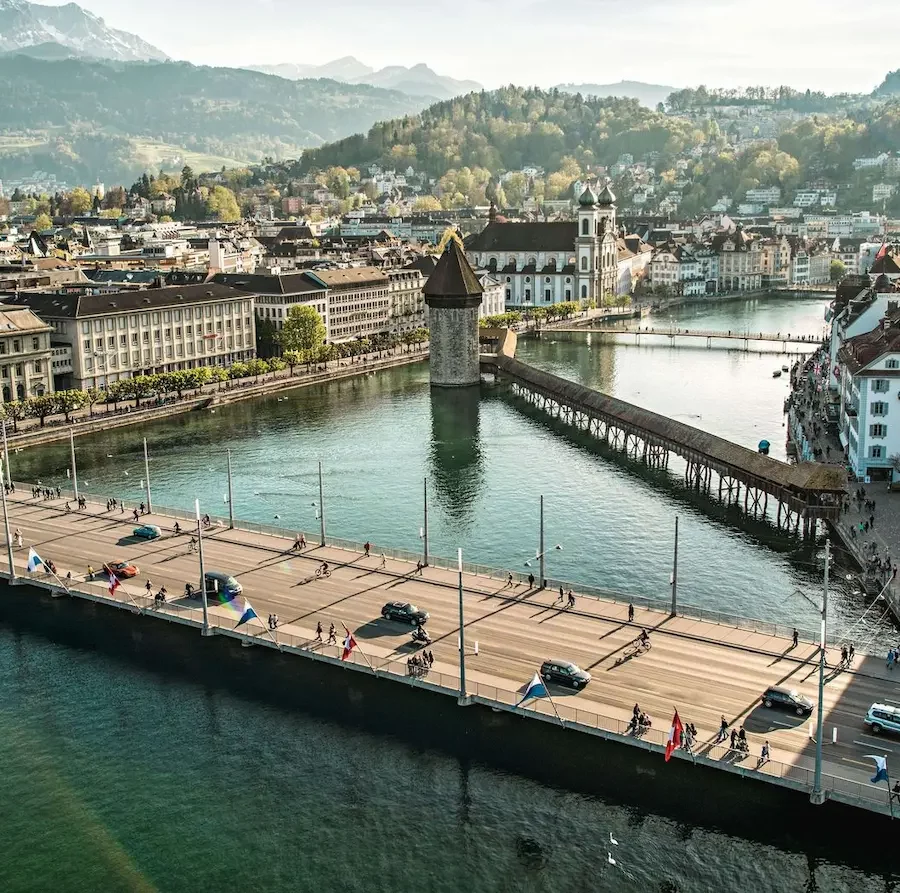
Lucerne provides a natural continuation north through Central Switzerland.
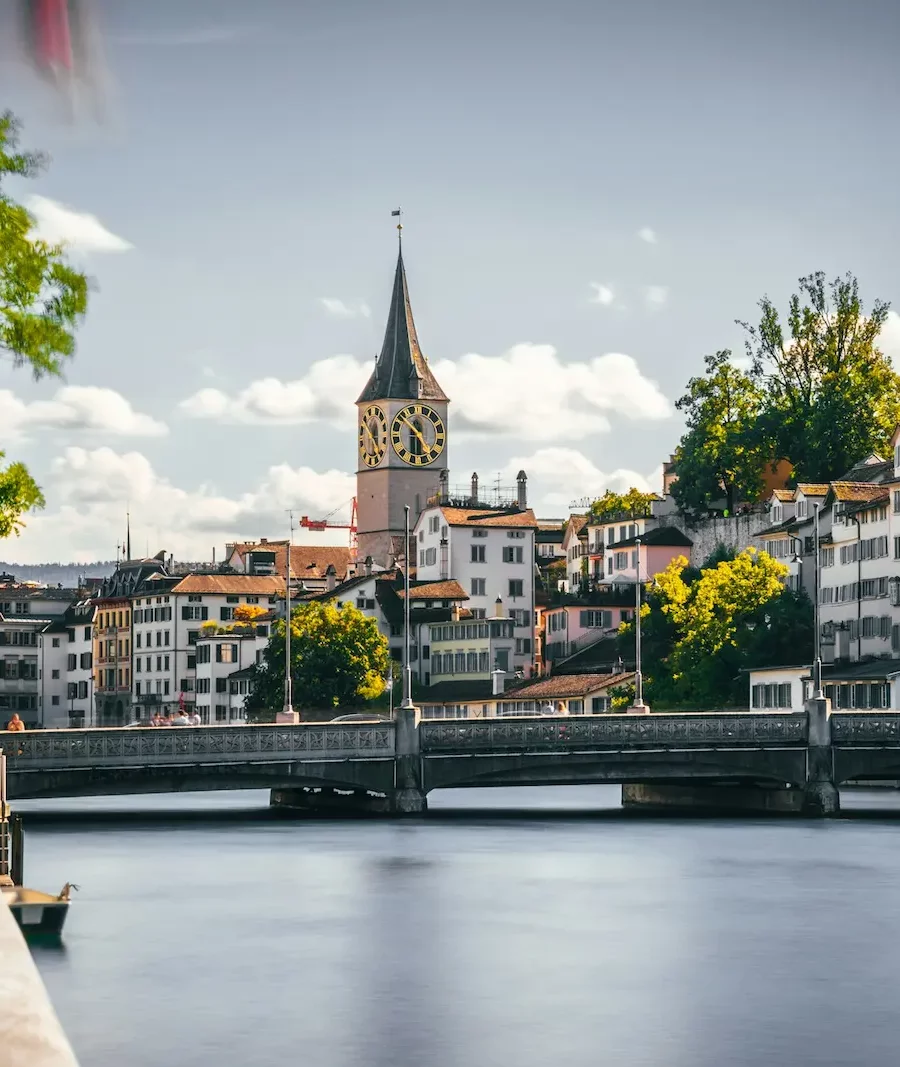
Zurich offers the principal major-city connection and an important international gateway.
St. Moritz provides a completely different mountain experience within eastern Switzerland and can form part of a longer journey combining Ticino and the Engadin.
Planning Your Visit
Is Locarno worth visiting?
Yes.
Locarno combines Lake Maggiore, cultural heritage and easy access to some of Ticino’s most distinctive landscapes.
It is particularly rewarding for travellers who want a smaller southern Swiss town with a strong cultural identity rather than a large urban destination.
What is Locarno famous for?
Locarno is best known for Piazza Grande, the Locarno Film Festival, its setting on Lake Maggiore and cultural landmarks such as Madonna del Sasso.
How many days should you spend in Locarno?
Two to three days works well for many first visits.
This allows time for the historic centre, lake and mountains above the town together with one regional experience.
A longer stay becomes worthwhile when adding Verzasca Valley, Valle Maggia or Ascona.
Should I stay in Locarno or Lugano?
The destinations offer different experiences.
Lugano is larger, more urban and has a stronger luxury hotel ecosystem.
Locarno is smaller and more culturally oriented, with Piazza Grande, the Film Festival and direct access to Lake Maggiore and the western valleys of Ticino.
Should I stay in Locarno or Ascona?
Locarno suits travellers interested in culture, a larger town environment and regional access.
Ascona provides a smaller boutique lakeside atmosphere with a stronger concentration of resort-style hospitality.
They are close enough to experience together while still deserving separate editorial treatment.
Is Lake Maggiore worth visiting?
Yes.
The lake provides the geographic setting for Locarno and opens the journey towards other parts of southern Ticino.
Because Lake Maggiore extends across Switzerland and Italy, detailed lake planning is better handled through a dedicated Guide focused specifically on its Swiss shore.
What is Piazza Grande?
Piazza Grande is the principal historic square in Locarno and one of the defining spaces of the town.
It is particularly associated internationally with the Locarno Film Festival but remains part of everyday Locarno outside the event period.
Is the Locarno Film Festival worth visiting?
For travellers interested in cinema and cultural events, it can provide a particularly distinctive reason to visit Locarno.
Festival dates, tickets and programmes should always be checked directly through official Festival channels.
Can you visit Verzasca Valley from Locarno?
Yes.
Locarno is a practical base for exploring the valley as part of a private regional day.
Detailed routes and individual locations should be handled within a dedicated Verzasca Valley Guide or Experience.
Is Locarno suitable for luxury travel?
Yes, although its premium proposition is smaller and more understated than Lugano or Ascona.
Its value comes primarily from carefully selected hotels, private lake and valley experiences and cultural travel rather than a large luxury-resort ecosystem.
What is the best time to visit Locarno?
Spring through autumn works particularly well for the lake, surrounding mountains and regional experiences.
Summer is also important culturally because of the Locarno Film Festival.
Do I need a chauffeur in Locarno?
Not necessarily for the historic centre.
A chauffeur becomes more useful for luggage, hotel arrivals, private trips to Ascona, Verzasca Valley, Valle Maggia and wider journeys through Ticino.