
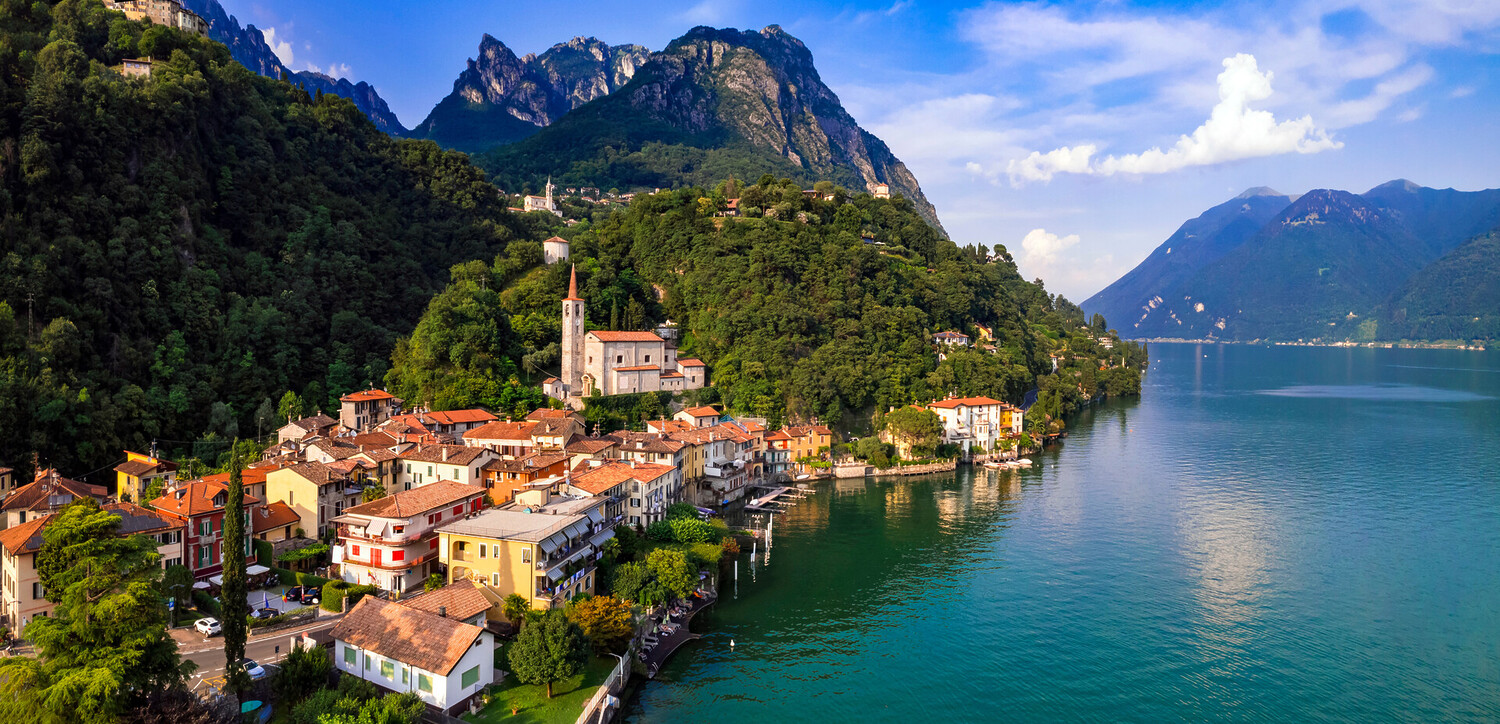
Italian-Swiss Elegance on Lake Lugano
Lugano feels noticeably different from Switzerland’s northern cities and Alpine resorts.
Set beside Lake Lugano and surrounded by wooded mountains, the city combines Swiss refinement with the architecture, cuisine and slower outdoor rhythm associated with southern Europe.
Its historic centre, waterfront, elegant hotels and proximity to both the mountains and Italy make Lugano particularly attractive for travellers who want to experience another side of Switzerland.
For a private journey, the destination works equally well as a short lakeside stay or as a base for exploring the wider landscapes and villages of Ticino.
A City Between Two Cultures
Italian is part of everyday life in Lugano, shaping everything from the language of the streets to the style of dining and the rhythm of the city.
At the same time, Lugano remains distinctly Swiss in its organisation, hospitality and relationship with the surrounding landscape.
This meeting of cultures is one of the qualities that separates Lugano from every other destination in the Luxury Switzerland collection.
Piazza della Riforma and the Historic Centre
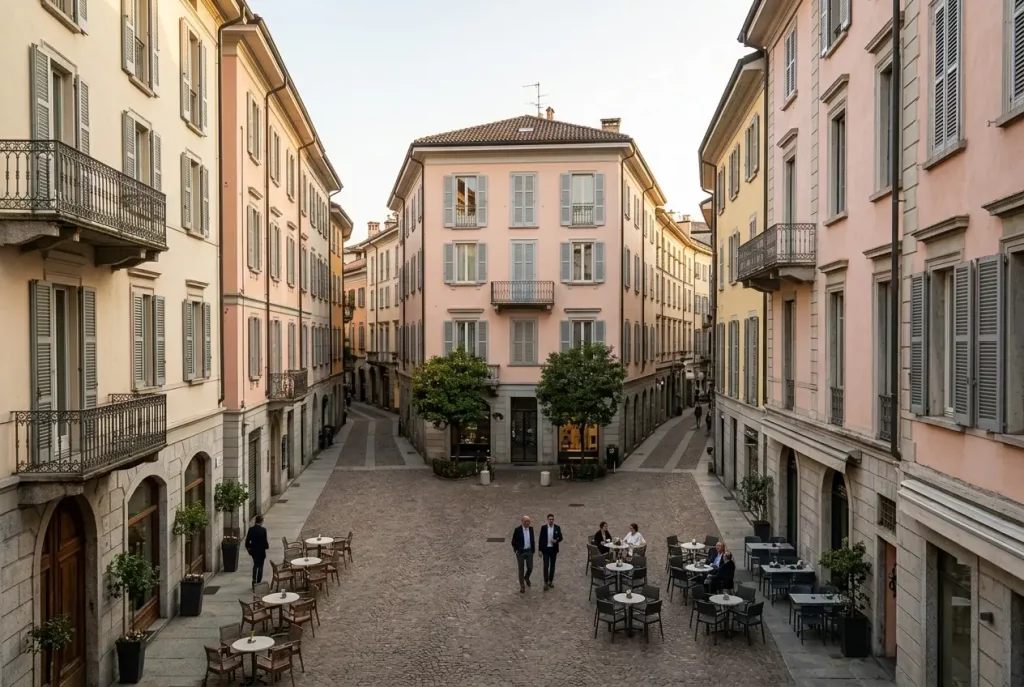
Piazza della Riforma forms the social heart of central Lugano.
Historic façades, cafés and pedestrian streets lead away from the square towards the waterfront and the commercial streets of the city.
Nearby Via Nassa adds a more refined shopping atmosphere, while the surrounding historic centre rewards slower exploration on foot.
Lake Lugano and the Mountains Above
Lake Lugano is not simply a backdrop to the city.
The water, surrounding mountains and settlements along the shoreline shape the entire destination and create opportunities to experience the region from very different perspectives.
Life on Lake Lugano
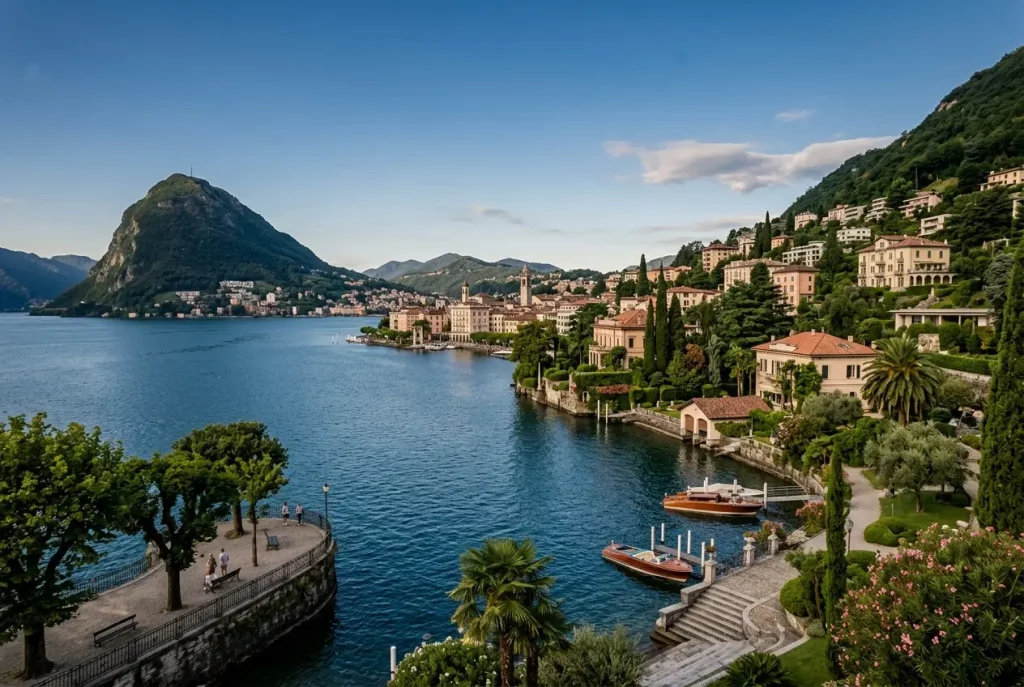
The waterfront connects central Lugano with parks, hotels and views across the lake towards the surrounding mountains.
Private time on the water provides one of the most natural ways to understand the geography of the region, moving away from the city to reveal villages, forested slopes and quieter sections of the shoreline.
A privately arranged boat experience can also be combined with lunch or time in one of the villages around the lake.
Monte Brè
Monte Brè rises immediately above the eastern side of Lugano and provides one of the defining viewpoints over the city and lake.
From above, the relationship between Lugano, its mountains and the wider Ticino landscape becomes much clearer.
A dedicated experience can eventually explore Monte Brè in greater detail without turning the destination hub into a practical attraction guide.
Monte San Salvatore
On the opposite side of the city, Monte San Salvatore provides another dramatic perspective over Lake Lugano.
The mountain reaches 912 metres and overlooks the lake, the Lombardy plain and surrounding Alpine ranges.
Together, Monte Brè and Monte San Salvatore give Lugano an unusually strong relationship between city, lake and mountain scenery.
Italian-Swiss Gastronomy and Culture
Food is an essential part of Lugano’s identity.
The culinary traditions of Ticino draw from both Switzerland and northern Italy, creating a dining culture that feels distinctly different from Geneva, Zurich or the Alpine resorts.
Dining in Lugano
Dining can move from elegant hotel restaurants and city addresses to more relaxed settings beside the lake.
For private travellers, gastronomy works particularly well when incorporated into the wider day rather than treated as a separate activity.
A morning in the historic centre, time on the lake and a long dinner can all form part of the same Lugano experience.
Ticino Wine and Grotto Culture
The wider canton adds another layer through vineyards, local wines and the traditional grotto culture associated with Ticino.
These experiences are better developed through dedicated wine and gastronomy content, but they provide valuable context for understanding Lugano as part of southern Switzerland rather than an isolated city.
Art and Culture
Lugano’s cultural life provides a contemporary contrast to its historic centre and lakeside atmosphere.
LAC Lugano Arte e Cultura represents one of the principal cultural institutions in the city and contributes to a programme that includes visual art, music and performance.
Culture should remain part of the overall experience rather than dominating the destination page.
Where to Stay in Lugano
Lugano offers a strong collection of premium hotels positioned both beside the lake and on the surrounding hillsides.
Hotel Splendide Royal Lugano is one of the city’s best-known historic addresses and occupies a prominent position close to the waterfront.
Grand Hotel Villa Castagnola provides another established lakeside option, surrounded by greenery on the eastern side of the city.
The View Lugano offers a contrasting hillside setting above the lake, while Villa Principe Leopoldo provides another elevated perspective over the city and surrounding landscape.
Villa Sassa Hotel, Residence & Spa adds a further hillside option close to central Lugano.
Beyond the city centre, additional properties around Lake Lugano allow travellers to choose between a more urban stay and quieter accommodation beside the water.
Our Lugano hotel collection can progressively develop these addresses individually, allowing travellers to compare lakefront atmosphere, panoramic hillside settings and proximity to the historic centre.
Exceptional Experiences in Lugano
The strongest Lugano experiences connect the city with the lake, mountains and wider Ticino region.
A Private Cruise on Lake Lugano
A private boat experience reveals a side of Lugano that cannot be understood entirely from the waterfront.
The journey can move between the city and quieter parts of the lake, incorporating mountain views, villages and time away from the urban centre.
The Mountains Above the City
Monte Brè and Monte San Salvatore create natural half-day or full-day experiences from Lugano.
They work especially well for travellers who want panoramic scenery without undertaking a demanding Alpine excursion.
Exploring Lugano Privately
A private guide can connect Piazza della Riforma, the historic centre, waterfront and cultural landmarks while adding context to Lugano’s Italian-Swiss identity.
The compact centre makes this particularly suited to a slower walking experience rather than a conventional sightseeing programme.
Ticino Beyond the City
Lugano is also an excellent starting point for discovering the wider canton.
Private journeys can combine the city with vineyards, lakeside villages, local gastronomy and landscapes that feel very different from Switzerland north of the Alps.
Morcote and the Villages of Lake Lugano
The surroundings of Lugano deserve to be experienced as part of the destination.
Morcote lies along the lake and provides a quieter village atmosphere that contrasts strongly with the city.
Its architecture, waterfront and mountain setting make it particularly well suited to a private day combining road and lake travel.
Gandria provides another intimate lakeside setting, positioned beneath Monte Brè and connected naturally with Lugano through the landscape of the lake.
These villages should complement Lugano rather than compete with it as separate destination hubs.
Lugano as a Gateway to Ticino
Lugano provides a strong base for travellers who want to discover southern Switzerland more broadly.
Locarno offers a more cultural and resort-oriented atmosphere on Lake Maggiore, while nearby Ascona has a smaller and more intimate lakeside character.
Bellinzona introduces a completely different side of Ticino through its medieval heritage and historic castles.
These destinations help make Lugano part of a wider regional itinerary rather than simply a city break.
Between Switzerland and Italy
Lugano’s position close to northern Italy creates travel possibilities that are unusual within the rest of Switzerland.
Milan is one of the principal international gateways to the region, while Lake Como can form part of a wider cross-border itinerary.
For Luxury Switzerland, detailed Italian itineraries should remain on dedicated Guides, Experiences and Transfer pages rather than turning the Lugano hub into an Italy travel guide.
The destination page should simply reflect the reality that Lugano naturally belongs to a journey that can extend both north through Switzerland and south towards Italy.
When to Visit Lugano
Lugano works throughout much of the year.
Spring and autumn are particularly attractive for travellers who want comfortable days beside the lake, walking and outdoor dining.
Summer brings a livelier waterfront atmosphere and more time outdoors, while winter provides a quieter interpretation of the city focused on gastronomy, culture and hotels.
Its southern location gives Lugano a noticeably different seasonal character from Switzerland’s Alpine destinations.
Getting Around Lugano Privately
Central Lugano is compact and many movements around the historic centre and waterfront can be made on foot.
Private travel becomes more valuable when exploring the hillsides, villages around Lake Lugano or other parts of Ticino.
For international arrivals, Milan Malpensa provides a major gateway from the south, while Zurich connects Lugano with Switzerland’s principal international aviation network.
A chauffeur is especially useful for luggage, hotel transfers, private excursions and journeys that continue beyond Lugano.
Continue Your Journey from Lugano
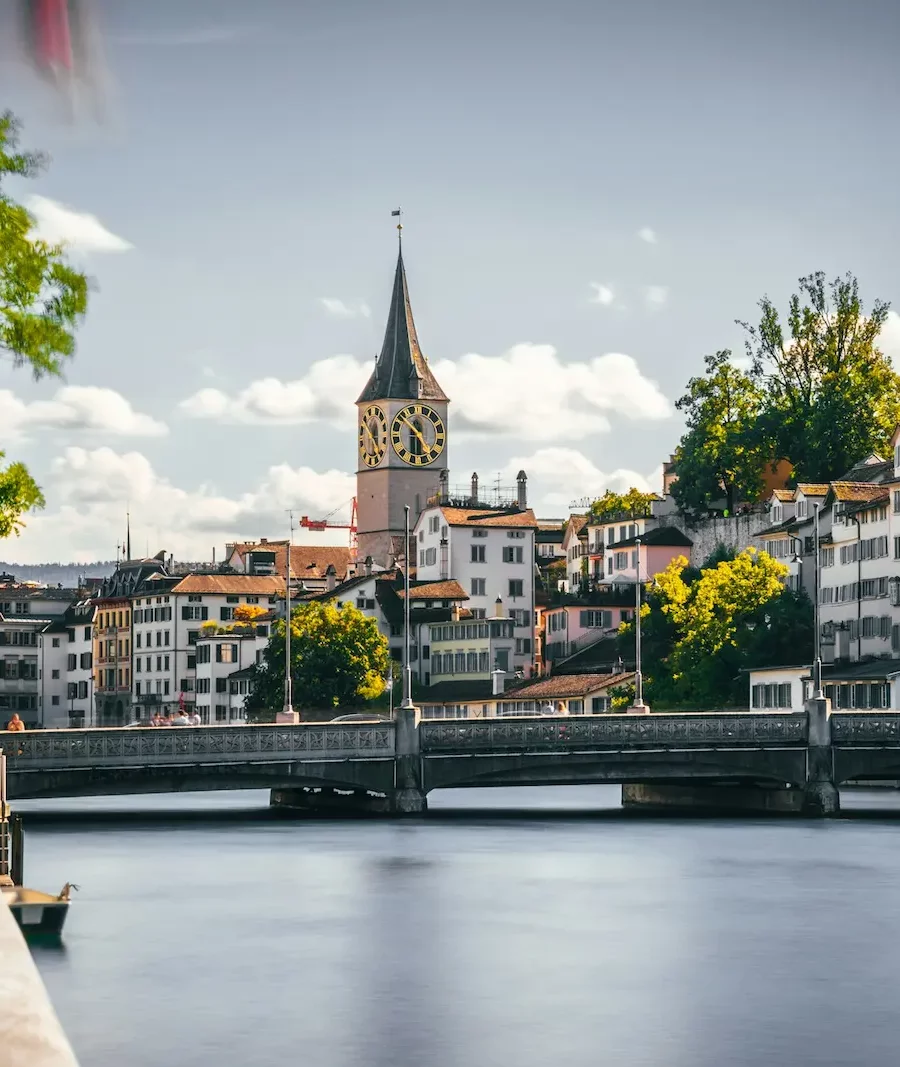
Zurich provides the most natural major-city connection within Switzerland and creates a strong contrast between the country’s German-speaking and Italian-speaking regions.
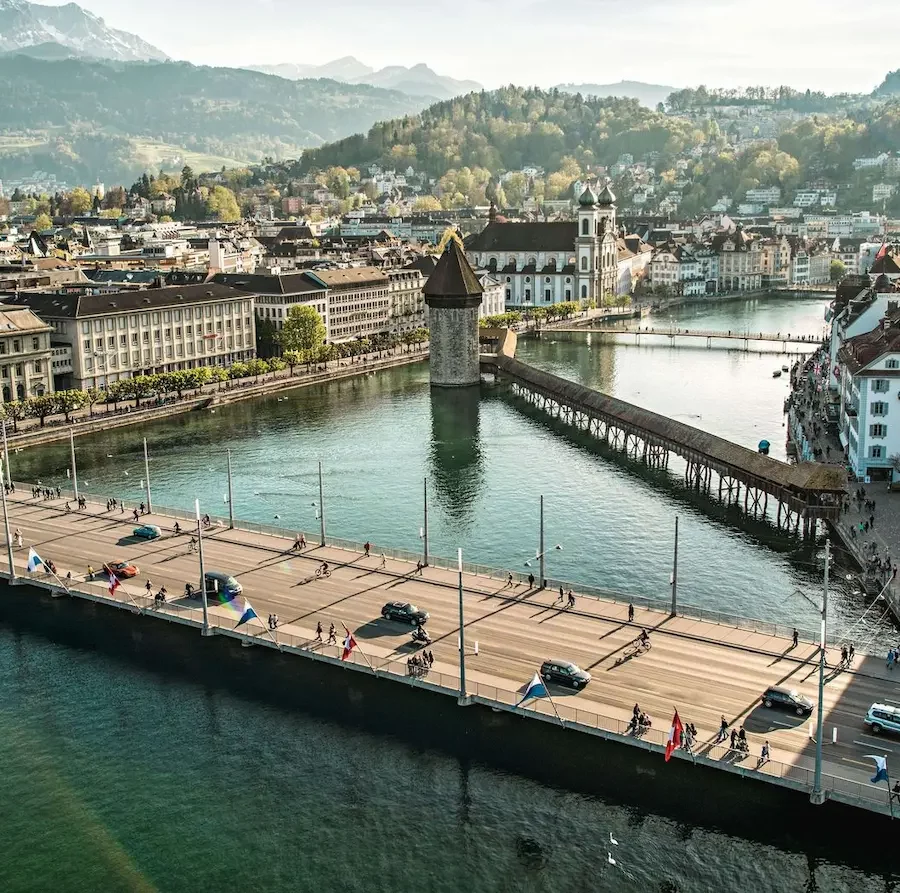
Lucerne offers another lakeside destination reached through Central Switzerland, with a historic character shaped by Lake Lucerne and the surrounding mountains.
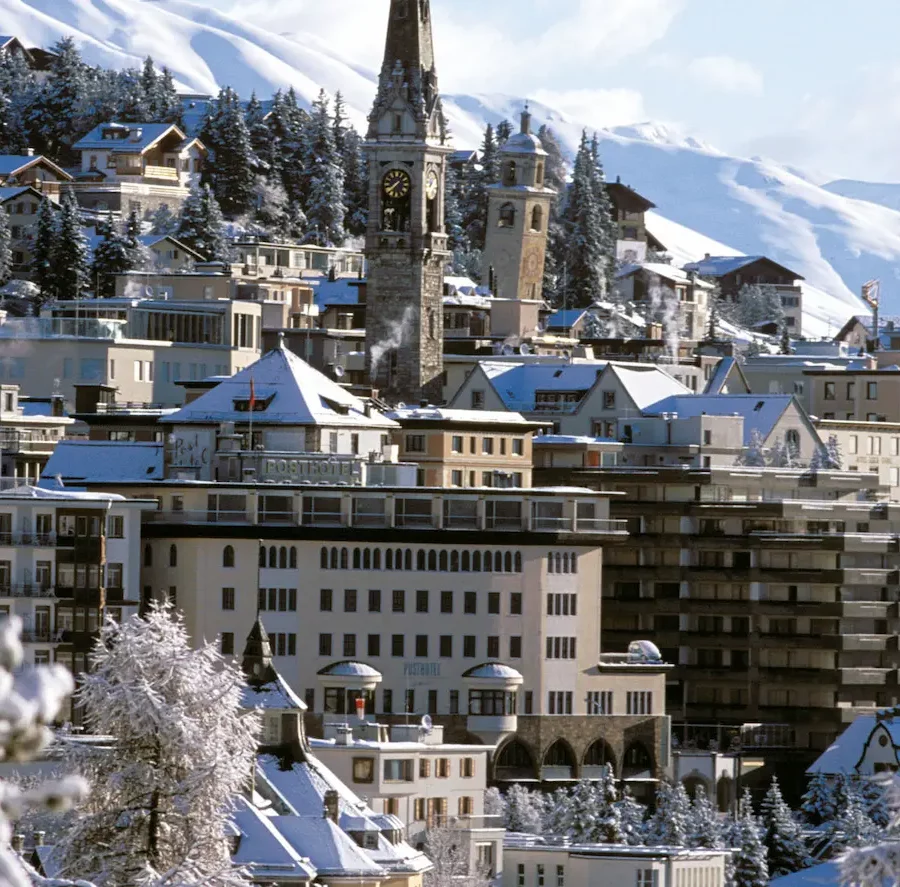
St. Moritz takes the journey into the Engadin and provides an Alpine contrast to Lugano’s southern atmosphere.
A future Ticino guide can connect Lugano more extensively with Locarno, Ascona, Bellinzona and the wider canton.
Planning a Luxury Stay in Lugano
Is Lugano worth visiting?
Yes.
Lugano combines a sophisticated lakeside city, Italian-Swiss culture, mountains and easy access to the wider landscapes of Ticino.
It is particularly rewarding for travellers who want a side of Switzerland that feels culturally and visually different from the major northern cities and Alpine resorts.
What is Lugano famous for?
Lugano is known for Lake Lugano, its Italian-Swiss atmosphere, historic centre, Piazza della Riforma and the mountains of Monte Brè and Monte San Salvatore.
The city is also an important cultural and economic centre in southern Switzerland.
How many days should you spend in Lugano?
Two to three days works well for many first visits.
This allows time for the city and lake together with one mountain or regional experience.
A longer stay is worthwhile when adding Morcote, the wider Ticino region or a cross-border journey towards northern Italy.
Is Lugano more Italian or Swiss?
Lugano is Swiss, but Italian is the principal language of Ticino and the city has strong cultural, architectural and culinary connections with northern Italy.
The result is a distinctly Italian-Swiss identity rather than a city that belongs culturally to only one side of the border.
Is Lugano a good base for exploring Ticino?
Yes.
Its hotel infrastructure, transport connections and position in southern Ticino make Lugano a useful base for exploring nearby villages, Lake Lugano and other parts of the canton.
Is Lake Lugano worth visiting?
Yes.
The lake is central to the identity of the destination and provides some of its best landscapes.
A private boat journey also offers access to quieter villages and perspectives that cannot be experienced from the city alone.
Can you visit Monte Brè from Lugano?
Yes.
Monte Brè rises directly above the Lugano region and can be incorporated easily into a stay.
Detailed visiting logistics are best covered in a dedicated experience page.
Can you visit Monte San Salvatore from Lugano?
Yes.
Monte San Salvatore lies immediately above Lugano and is accessible from the Paradiso side of the city.
It provides expansive views over the lake and surrounding landscape.
Should I stay in Lugano or Locarno?
Lugano offers a more urban and cosmopolitan experience, with a stronger luxury hotel ecosystem and close links to Milan.
Locarno has a more resort-oriented and cultural character centred on Lake Maggiore and Piazza Grande.
Should I stay in Lugano or Ascona?
Lugano is better suited to travellers who want a full city experience with hotels, gastronomy, culture and access to the wider region.
Ascona offers a smaller boutique-village atmosphere on Lake Maggiore and works particularly well as part of a quieter Ticino itinerary.
What is the best time to visit Lugano?
Spring through autumn is particularly attractive for the lake, mountain viewpoints and outdoor dining.
Winter provides a quieter city experience centred more strongly on culture, gastronomy and hospitality.
Do I need a chauffeur in Lugano?
Not necessarily for the city centre.
A chauffeur becomes more useful for airport transfers, luggage, Morcote, wider Ticino excursions and longer journeys towards Zurich, St. Moritz or northern Italy.
Is Lugano suitable for luxury travel?
Yes.
Its strongest premium qualities come from lakeside and hillside hotels, private lake experiences, Italian-Swiss gastronomy and the ability to combine Lugano with the wider landscapes of Ticino.