
Why Visit Basel
Basel has an identity unlike any other major Swiss city.
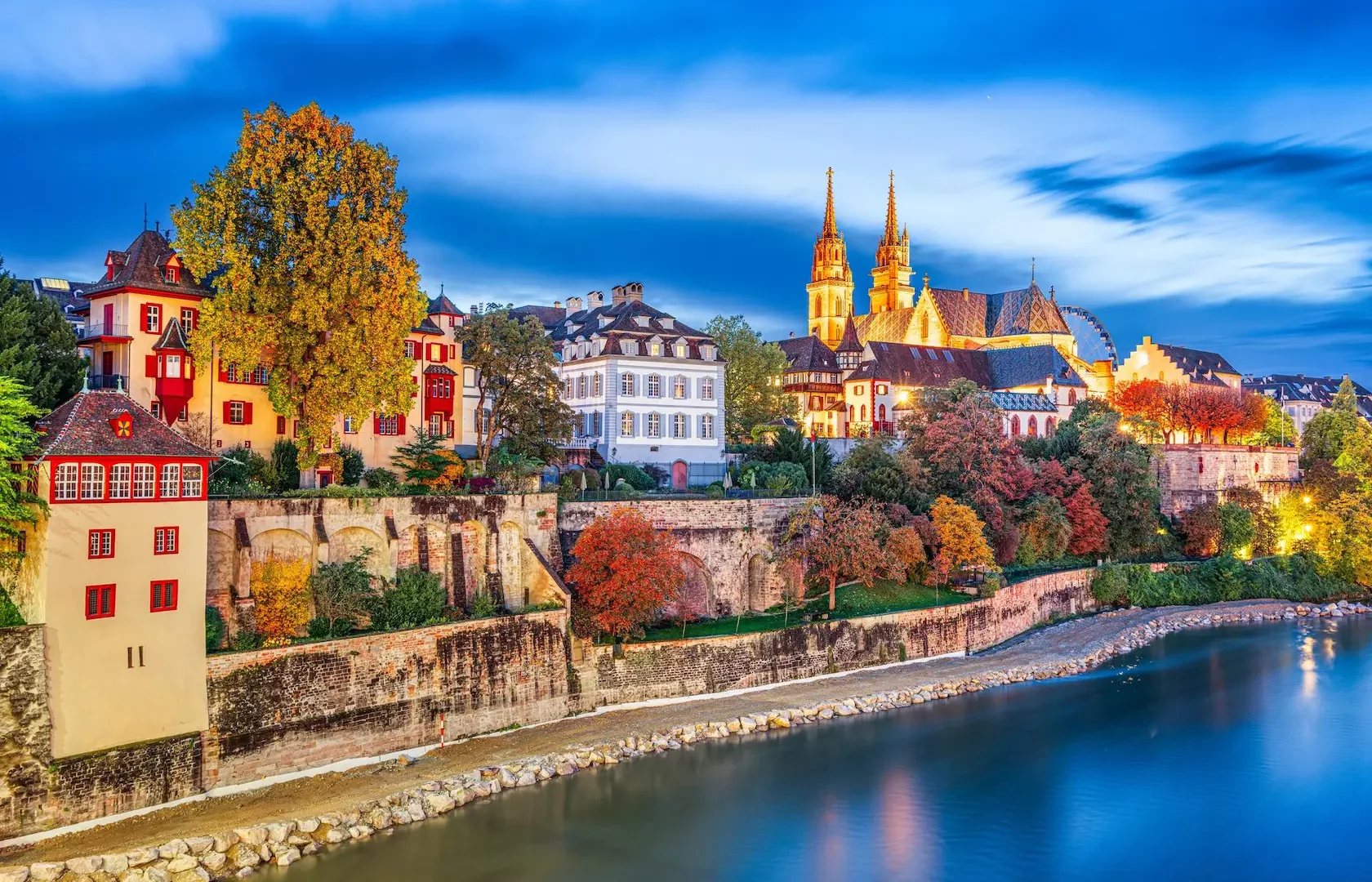
Set on the Rhine at the meeting point of Switzerland, France and Germany, the city combines a remarkably preserved historic centre with one of Europe’s strongest concentrations of art, architecture and design.
Its cultural character extends far beyond individual museums. Art is embedded in the city itself, from internationally recognised collections and contemporary architecture to galleries, public works and the global presence of Art Basel.
For private travellers, Basel also offers an unusual balance. A day can move naturally between the Old Town, a major exhibition, lunch beside the Rhine and an architectural or cross-border experience without requiring long journeys across the city.
A City Built Around Art
Art is one of the defining elements of Basel.
The city’s museums and collections have international reputations, while contemporary architecture and a long tradition of collecting give Basel a cultural depth that extends well beyond conventional sightseeing.
Museums and Collections
Kunstmuseum Basel forms one of the central institutions within the city’s art landscape and provides a natural starting point for travellers interested in European art.
Fondation Beyeler offers a very different experience in nearby Riehen, where modern and contemporary art is presented within a landscaped setting outside the city centre.
Museum Tinguely adds another perspective beside the Rhine, focusing on the work and world of Swiss artist Jean Tinguely.
Together, these institutions make it possible to build an art-focused stay around very different environments rather than moving between similar museums.
Art Basel and the Collector’s City
Basel’s international relationship with contemporary art becomes especially visible through Art Basel.
The fair has helped strengthen the city’s global reputation among collectors, galleries and cultural institutions, but it should be considered part of Basel’s wider artistic identity rather than the sole reason to visit.
A future dedicated Art Basel guide can explore travel planning, accommodation, chauffeur logistics and cultural experiences around the fair in greater detail.
Architecture and Design
Architecture is another important part of Basel’s character.
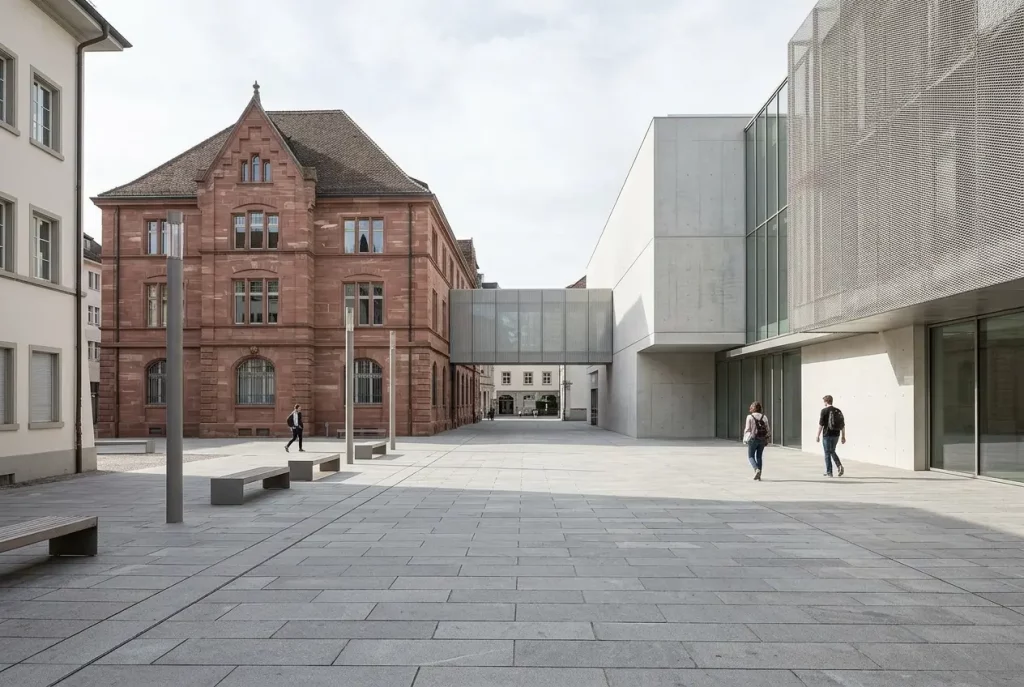
Historic streets and medieval buildings coexist with major examples of contemporary design, creating a cityscape where old and new are constantly visible together.
Basel is also closely associated with architects and practices that have shaped contemporary architecture internationally.
Just across the German border, the Vitra Design Museum and Vitra Campus in Weil am Rhein extend this design culture into a natural private excursion from Basel.
The Rhine and the Old Town
The Rhine divides Basel physically while connecting many of the experiences that define the city.
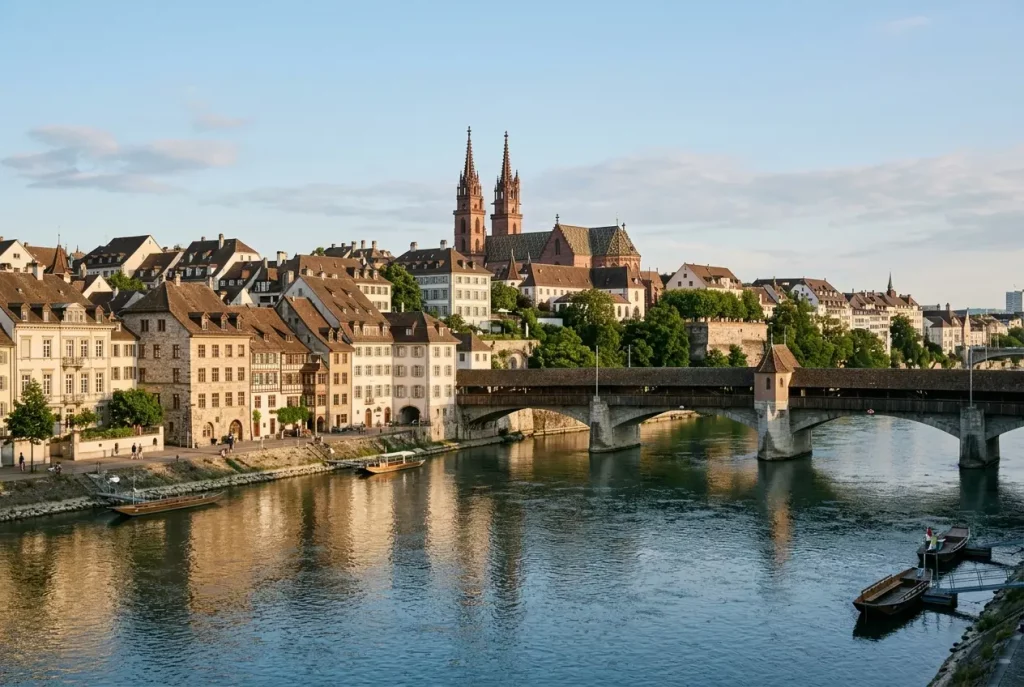
Historic architecture, riverside promenades and bridges create a strong relationship between the Old Town and the water.
Life on the Rhine
The Rhine is more than a geographic feature.
Restaurants, promenades and public spaces along its banks create a different rhythm from the historic streets only a few minutes away.
For visitors, the river provides a natural way to understand the orientation of Basel and the relationship between its two sides.
A private river experience or an evening beside the Rhine can provide a quieter contrast to museum and architectural visits.
Grossbasel and Kleinbasel
The Rhine separates Grossbasel from Kleinbasel.
Grossbasel contains much of the historic centre, Münster and many of the city’s principal cultural institutions.
Across the river, Kleinbasel introduces a more contemporary and informal side of Basel, creating a useful contrast within a relatively compact city.
The relationship between the two sides is part of what makes Basel distinctive and easy to explore over several days.
The Münster and the Historic Centre
Basel Münster rises above the Rhine and provides one of the defining landmarks of the city.
The surrounding Old Town brings together narrow streets, historic façades and squares including Marktplatz.
Mittlere Brücke forms one of the most recognisable connections across the Rhine, while Spalentor recalls the city’s medieval fortifications.
Rather than treating these landmarks as an itinerary checklist, a private heritage walk can connect them through the wider story of Basel.
Where to Stay in Basel
Basel’s premium hotel landscape is smaller than Zurich or Geneva, but it contains several properties with very different personalities.
Grand Hotel Les Trois Rois is the defining luxury address in Basel, positioned directly on the Rhine at the edge of the historic centre.
Hotel Märthof Basel provides a contrasting Old Town setting close to Marktplatz and the pedestrian heart of the city.
Nomad Design & Lifestyle Hotel brings a more contemporary design perspective that reflects Basel’s architectural identity.
Mövenpick Hotel Basel offers a modern central option close to the railway station and major transport connections.
GAIA Hotel Basel provides another established address near Basel SBB, particularly convenient for travellers combining Basel with onward rail or private travel.
Our Basel hotel collection can progressively develop these properties individually, with Grand Hotel Les Trois Rois serving as the natural flagship of the destination.
Exceptional Experiences in Basel
Basel lends itself particularly well to private cultural experiences.
Private Art Experiences
A private guide can create an art-focused day around Basel’s collections without attempting to visit every museum.
The itinerary can instead be shaped around the traveller’s interests, whether classical modernism, contemporary art, design or architecture.
Fondation Beyeler can form part of a dedicated experience in nearby Riehen, while other institutions can be combined into a broader privately guided day.
Architecture and Design
Basel’s historic and contemporary architecture creates a natural specialist experience.
A private architectural tour can move between the Old Town and contemporary projects before continuing across the border towards the Vitra Campus in Germany.
This combination of Swiss urban architecture and international design gives Basel an experience that is difficult to reproduce elsewhere in Switzerland.
A Private Rhine Experience
The Rhine provides a different perspective on the city.
Time on or beside the river can be combined with the historic centre, gastronomy and architecture, creating a slower counterpoint to museum visits.
Private Heritage Walk
Basel’s compact historic centre makes it particularly suited to a privately guided walk.
Münster, Marktplatz, Mittlere Brücke and the streets of Grossbasel can be connected through the city’s history rather than experienced as isolated landmarks.
Across Three Countries
Basel’s position beside France and Germany is one of its strongest advantages for private travel.
Few Swiss cities allow travellers to cross so naturally between three different countries and cultural regions within the same itinerary.
Alsace, Colmar and the Wine Route
The French region of Alsace lies immediately beyond Basel.
Colmar, its historic villages and vineyard landscapes can form a natural private day from the city.
For travellers staying several nights in Basel, this creates an opportunity to combine Swiss culture with a completely different French landscape without changing hotels.
Detailed Alsace content should remain within dedicated Experience and Guide pages.
The Black Forest and Freiburg
Germany provides another natural extension of a Basel stay.
Freiburg and the Black Forest offer a contrasting landscape of historic German towns, forests and countryside within reach of Basel.
A private chauffeur day allows the itinerary to remain flexible without turning the Basel destination page into a German travel guide.
A Tri-National Itinerary
The value of Basel’s position is not simply that three borders are nearby.
It allows an itinerary to combine Swiss art and architecture, French gastronomy and vineyards, and German design or countryside within a very small geographic area.
This tri-national character is one of the clearest differences between Basel and every other destination in the Luxury Switzerland portfolio.
Basel Through the Seasons
Basel works throughout the year.
Spring and summer place greater emphasis on the Rhine, architecture and outdoor city life.
The cultural calendar remains strong throughout the year, with Art Basel forming one of the city’s most internationally recognised recurring events.
Fasnacht introduces one of Basel’s most distinctive local traditions, while the Christmas season transforms parts of the historic centre and creates another strong reason to visit during winter.
Detailed dates and event programmes are better handled through dedicated seasonal guides.
Getting Around Basel Privately
Central Basel is compact and many parts of the Old Town and Rhine can be explored comfortably on foot.
Private travel becomes more valuable when the itinerary extends beyond the city centre.
Fondation Beyeler in Riehen, the Vitra Campus in Germany, EuroAirport, Alsace and the Black Forest all create situations where a dedicated vehicle provides greater flexibility.
EuroAirport Basel Mulhouse Freiburg is the principal aviation gateway for the city, while Zurich Airport provides an alternative for international arrivals connecting through Switzerland.
Continue Your Journey
Zurich and Lucerne
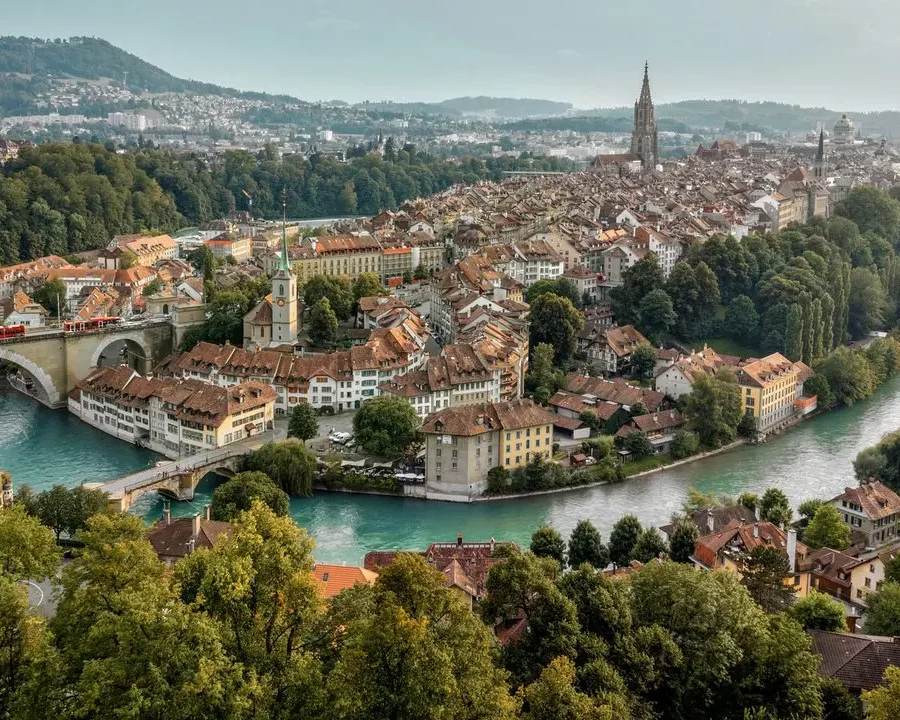
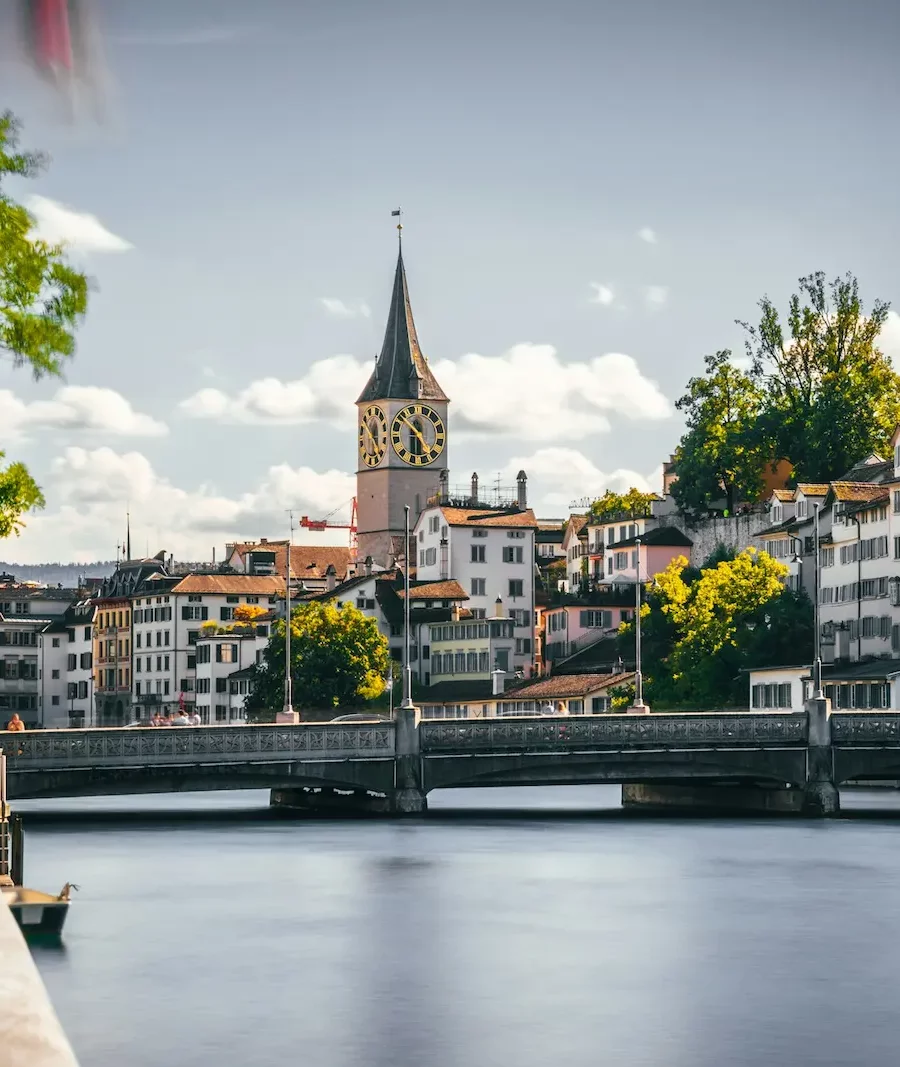
Zurich provides the most natural major Swiss city connection from Basel and offers a very different urban identity centred on Lake Zurich, shopping and cosmopolitan city life.
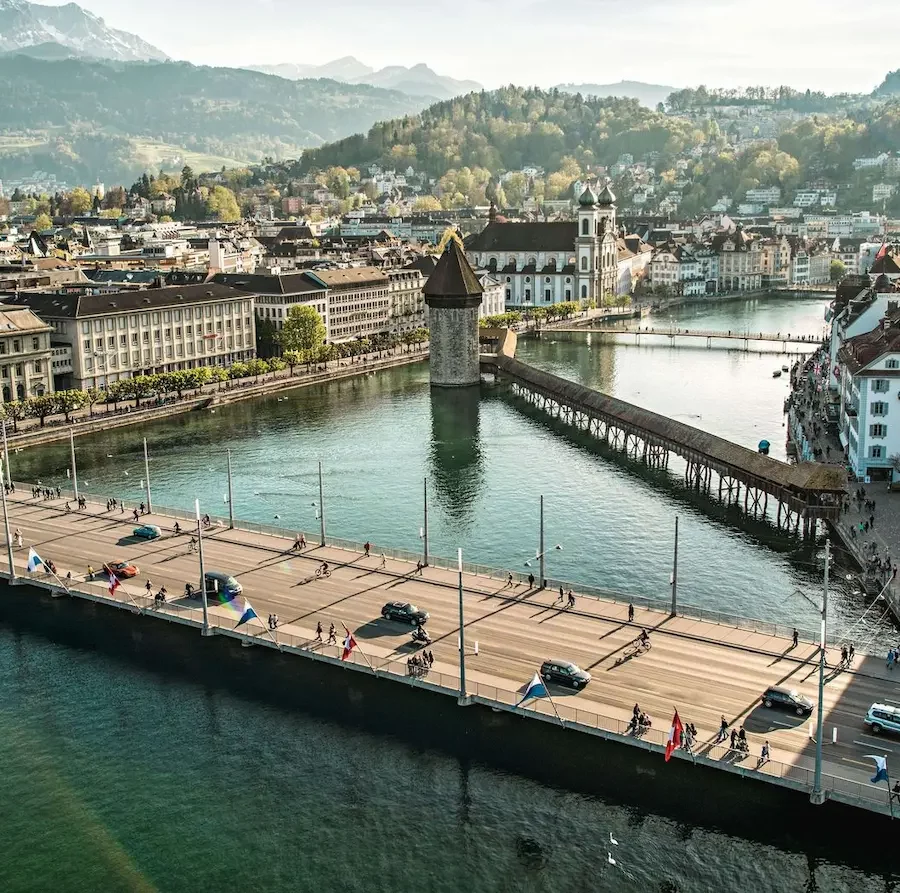
Lucerne continues the journey towards Central Switzerland, combining a historic lakeside city with Mount Pilatus, Mount Rigi and Lake Lucerne.
Beyond Switzerland
For many Basel itineraries, the most natural onward journeys are actually cross-border.
Alsace provides access to Colmar, Strasbourg and the French wine region, while Germany opens towards Freiburg and the Black Forest.
These journeys deserve dedicated Experience and Transfer pages as the Basel cluster develops.
Planning a Luxury Stay in Basel
Is Basel worth visiting?
Yes.
Basel is particularly rewarding for travellers interested in art, architecture, historic cities and cultural experiences.
Its position on the Rhine and beside France and Germany adds a dimension that no other major Swiss city offers.
What is Basel famous for?
Basel is known internationally for art, museums, Art Basel, architecture and its position on the Rhine.
Its historic Old Town and location at the meeting point of Switzerland, France and Germany further distinguish the city.
How many days should you spend in Basel?
Two to three days works well for many first visits.
This allows time for the Old Town, major art institutions and the Rhine.
A longer stay becomes particularly worthwhile when adding Fondation Beyeler, Vitra, Alsace or the Black Forest.
Is Basel better than Zurich for art?
The two cities offer different experiences.
Zurich combines art with shopping, finance, Lake Zurich and a broader cosmopolitan lifestyle.
In Basel, art and museums are much more central to the identity of the destination itself.
Is Basel a luxury destination?
Basel’s premium appeal is primarily cultural rather than resort-oriented.
Exceptional hospitality, private art experiences, architecture, gastronomy and cross-border travel make it particularly suited to travellers who value culture and access over conventional luxury shopping or resort life.
Is Basel walkable?
Yes.
The historic centre and many central attractions can be explored comfortably on foot.
Private transport becomes more useful for experiences beyond central Basel.
Can you visit France and Germany from Basel?
Yes.
Basel lies beside both the French and German borders, making cross-border private journeys particularly natural.
Alsace, Colmar, Freiburg and the Black Forest can all form part of a wider Basel itinerary.
Is Basel a good base for Alsace?
Yes.
Basel provides a particularly convenient Swiss base for private excursions into southern Alsace while maintaining access to the city’s museums, hotels and Rhine waterfront.
What is the best time to visit Basel?
Basel works throughout the year.
Spring and summer are attractive for the Rhine and outdoor city life, while the cultural calendar, Fasnacht and Christmas season create strong reasons to visit at other times of year.
Do I need a chauffeur in Basel?
Not necessarily for the historic centre.
A chauffeur becomes more valuable for airport transfers, Fondation Beyeler, Vitra, cross-border excursions, luggage and longer journeys beyond Basel.