
Why Visit Lausanne
Lausanne has a character unlike any other city on Lake Geneva.
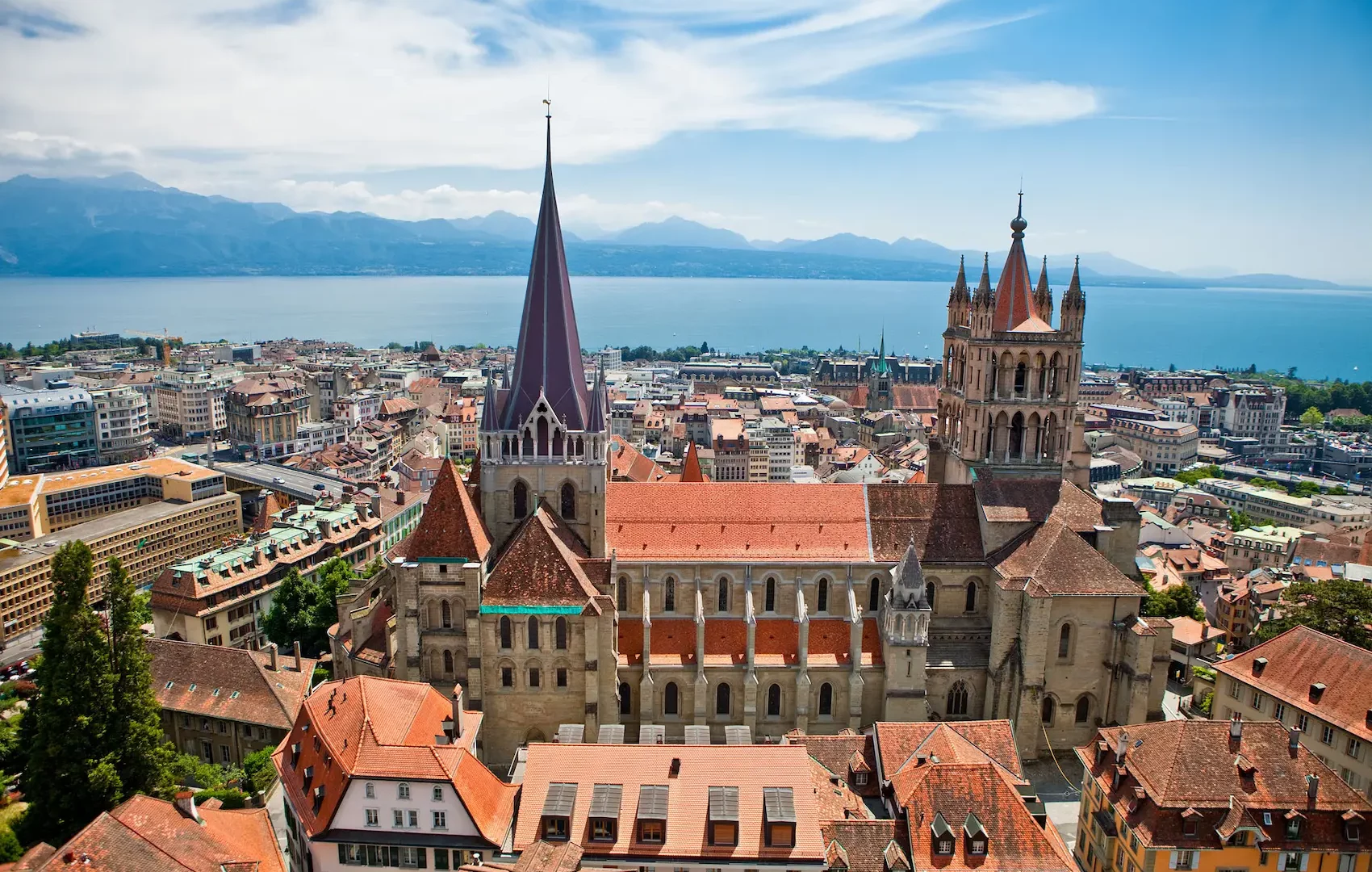
Built across a steep hillside, the city moves from the historic Cité and its cathedral down towards the waterfront at Ouchy, creating a natural contrast between medieval streets, contemporary city life and the open landscape of the lake.
Its international identity is equally distinctive. Lausanne is closely associated with the Olympic Movement, while the vineyards of Lavaux begin immediately to the east of the city.
For private travellers, this combination makes Lausanne particularly versatile. A stay can move naturally between heritage, the lake, gastronomy, cultural experiences and the vineyards without requiring long journeys between them.
From the Cité to Lake Geneva
Lausanne is best understood vertically.
The historic upper city overlooks Lake Geneva, while the neighbourhoods below gradually descend towards Ouchy and the waterfront.
This geography gives Lausanne a sense of discovery that differs from the flatter lakefront character of Geneva or Montreux.
The Old Town and Lausanne Cathedral
The Cité forms the historic heart of Lausanne.
Narrow streets, historic buildings and elevated views surround Lausanne Cathedral, which has dominated the city skyline for more than eight centuries and remains one of Lausanne’s defining architectural landmarks.
Place de la Palud and the surrounding streets extend the experience beyond the cathedral, making the Old Town particularly well suited to a privately guided walk focused on the city’s history and architecture.
Ouchy and the Waterfront
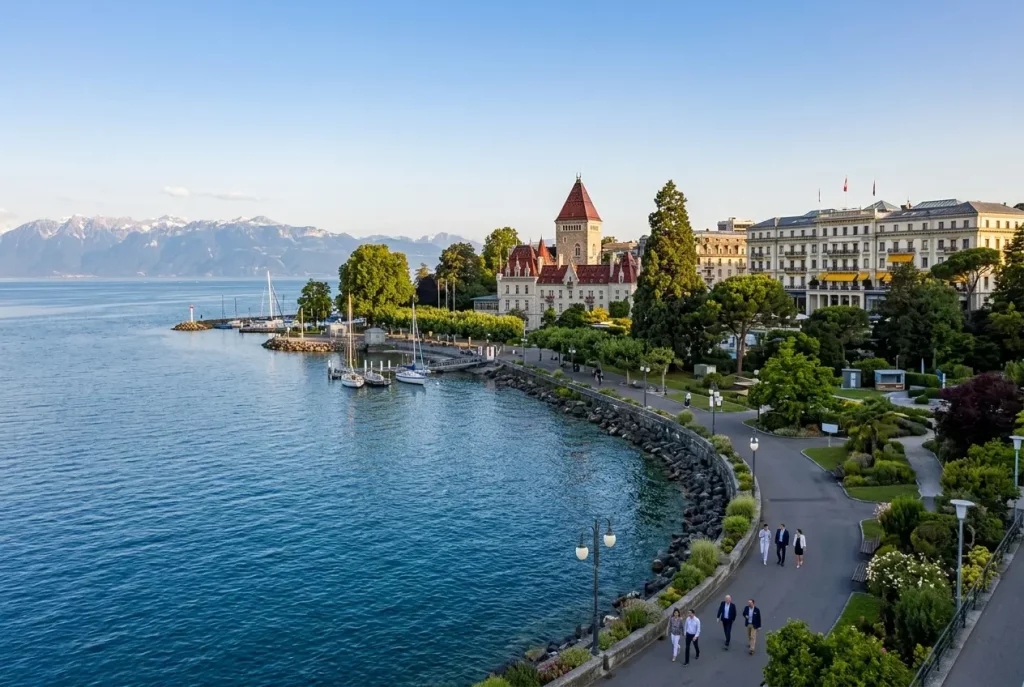
At the bottom of the city, Ouchy gives Lausanne its lakeside identity.
The district brings together promenades, gardens, historic hotels, the Olympic Museum and departure points for journeys on Lake Geneva. Lausanne Tourism confirms that Ouchy’s waterfront also provides direct access to lake cruises.
For travellers staying beside the lake, Ouchy can feel almost like a destination within the city itself.
Lausanne, the Olympic Capital
The Olympic Movement is one of the strongest elements of Lausanne’s international identity.
The International Olympic Committee has its headquarters in Lausanne, while the Olympic Museum stands near the lake at Ouchy. The IOC established its headquarters in Lausanne in 1915, and Olympic House remains its registered headquarters today.
The Olympic Museum provides the cultural focal point of this identity and holds the Olympic Movement’s major heritage collection.
For visitors, the significance lies less in institutional detail than in the unusual relationship between sport, culture and the city itself.
Where to Stay in Lausanne
Lausanne’s strongest hotels are divided between the lakefront at Ouchy and the upper city.
Beau-Rivage Palace is one of the defining addresses on Lake Geneva, positioned directly in Ouchy among the waterfront, parks and promenades.
Château d’Ouchy offers a more intimate historic setting beside the lake, while Angleterre & Résidence provides another established option within the same lakeside district.
Higher in the city, Lausanne Palace offers a contrasting experience closer to the commercial and historic centre, with broad views towards Lake Geneva.
Royal Savoy Hotel & Spa sits between the station and Ouchy, creating a useful connection between the upper city and the waterfront.
Together, these properties allow travellers to choose between a lakeside stay, greater proximity to the Old Town or a position between the two.
Exceptional Experiences in Lausanne
Lausanne works best when the city is combined with the landscapes immediately around it.
Exploring the Historic City Privately
A private guide can connect the Cathedral, the Cité, Place de la Palud and the gradual descent through Lausanne in a way that provides much more context than simply visiting individual landmarks.
The city’s steep geography becomes part of the experience, revealing changing views towards Lake Geneva and the Alps as the route moves between different levels of Lausanne.
The Olympic Museum and Ouchy
A Lausanne itinerary can combine time at the Olympic Museum with the surrounding lakefront, gardens and Ouchy.
Rather than treating the museum as an isolated attraction, it fits naturally within a wider cultural day beside Lake Geneva.
Private Time on Lake Geneva
Ouchy provides a natural starting point for experiences on the lake.
A private boat journey can reveal Lausanne from the water before continuing towards other parts of Lake Geneva, creating a different perspective on both the city and surrounding landscape.
Lavaux and the Vineyards
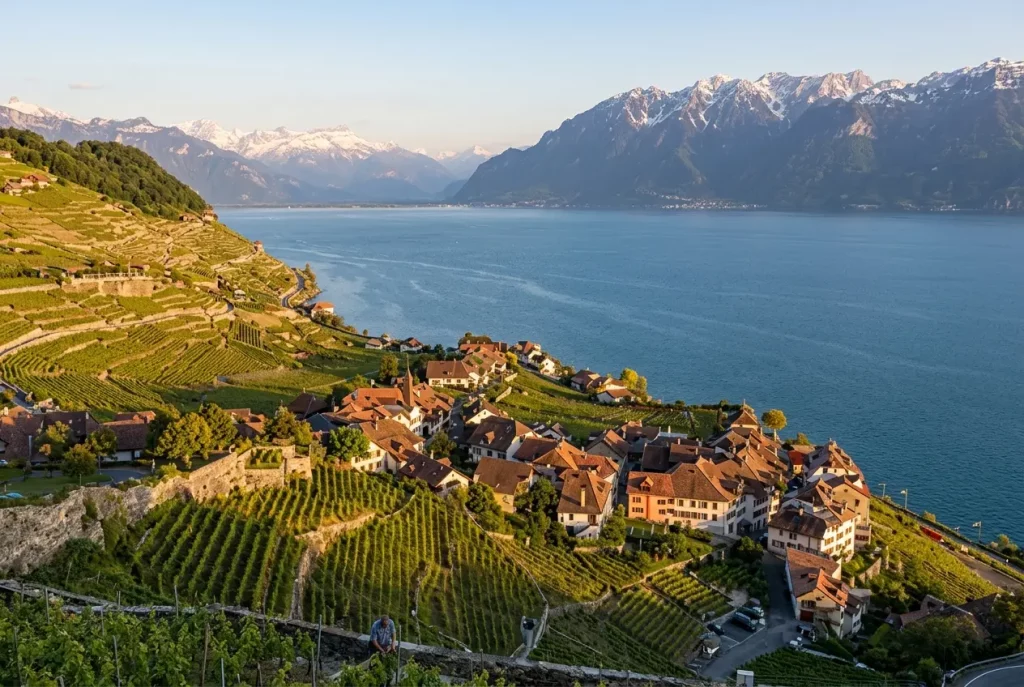
Lavaux is one of Lausanne’s most important nearby landscapes.
The terraced vineyards begin east of the city around Lutry and continue along Lake Geneva through villages including Cully, Grandvaux and Epesses.
For Luxury Switzerland, Lavaux should remain closely connected to Lausanne while still developing its own dedicated Guide and Experience pages.
The Lausanne hub introduces the region as a defining part of the destination; detailed vineyard visits, producers, tastings and village-by-village exploration belong within the dedicated Lavaux content cluster.
Experiencing Lavaux Privately
A private day in Lavaux can combine the vineyard landscape with a local producer, wine tasting, walking and time beside Lake Geneva.
The value lies in slowing the experience down rather than treating the vineyards simply as a scenic drive between Lausanne and Montreux.
Gastronomy and Lake Geneva Living
Lausanne’s relationship with food and wine extends naturally from the city into the surrounding canton of Vaud.
Historic hotels, contemporary restaurants and access to Lavaux give travellers several different ways to approach gastronomy during a stay.
Rather than positioning Lausanne as a restaurant destination alone, dining works best as part of the wider experience of the city, lake and vineyards.
Culture Beyond the Olympic Movement
Although the Olympic identity is internationally prominent, Lausanne’s cultural life extends well beyond sport.
The historic architecture of the Cité, museums, galleries and contemporary cultural spaces provide alternatives to days spent beside the lake or in Lavaux.
This diversity is especially useful for longer stays, when Lausanne can move between heritage, contemporary culture and the surrounding landscape without feeling repetitive.
Getting Around Lausanne Privately
Central Lausanne can be explored on foot, although the steep difference in elevation between the Cité, railway station and Ouchy is an important part of the city’s geography.
Private travel becomes more useful when the itinerary extends into Lavaux, Montreux, the wider Lake Geneva region or the Swiss Alps.
Geneva is the principal international gateway for many travellers arriving in Lausanne.
A dedicated Geneva to Lausanne transfer page can provide detailed route and booking information without duplicating it on this destination hub.
Continue Your Journey from Lausanne
Lausanne sits naturally within a wider journey through western Switzerland.
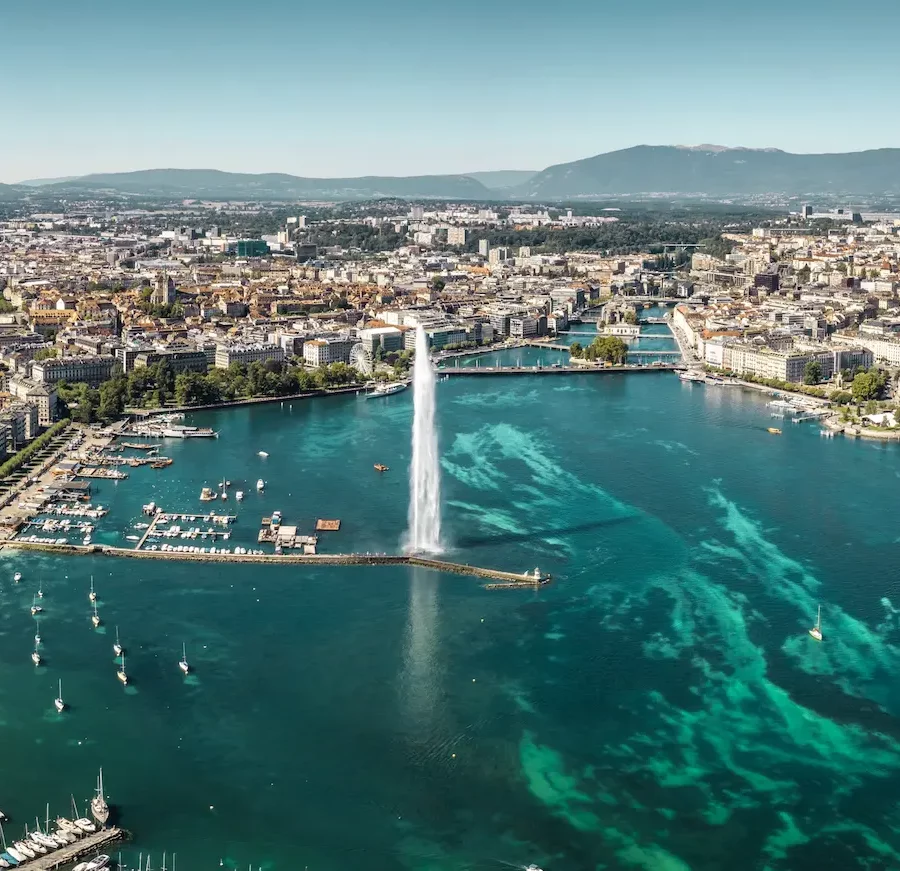
Geneva provides an international and cosmopolitan contrast, with diplomacy, watchmaking and a very different interpretation of Lake Geneva.
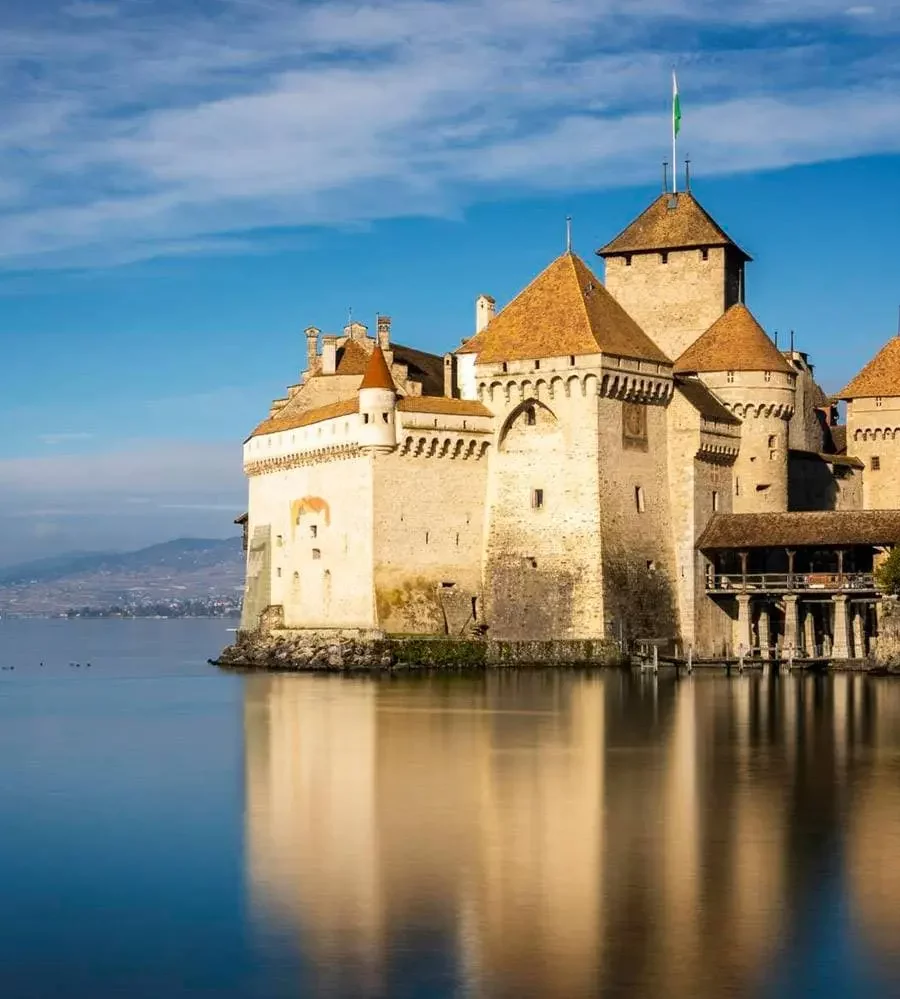
Montreux continues east along the lake towards the Swiss Riviera, Château de Chillon and the foothills of the Alps.
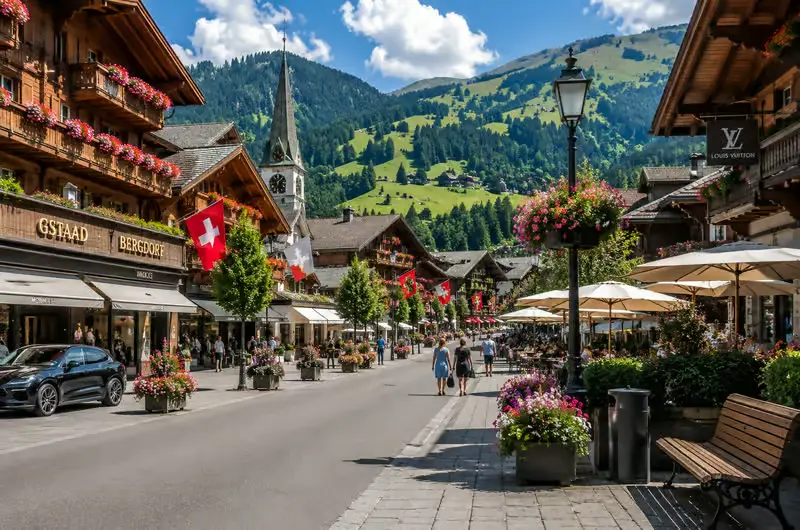
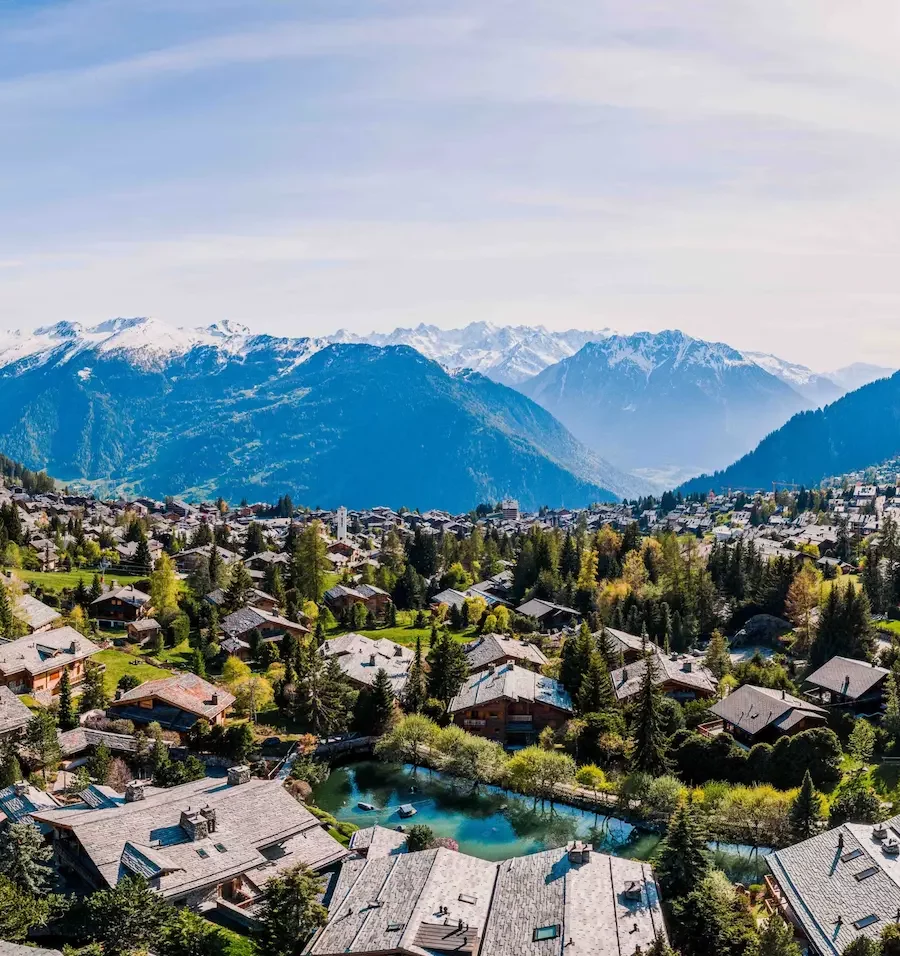
Gstaad offers an intimate Alpine-village experience beyond the lake region, while Crans-Montana moves the journey into the mountain landscapes of Valais.
Planning a Luxury Stay in Lausanne
Is Lausanne worth visiting?
Yes.
Lausanne combines historic architecture, Olympic heritage, Lake Geneva and immediate access to Lavaux within a relatively compact destination.
It is particularly rewarding for travellers who want culture, gastronomy and landscapes without staying in a conventional resort.
What is Lausanne famous for?
Lausanne is known for its Olympic identity, historic Cathedral, hillside Old Town, Ouchy lakefront and proximity to the UNESCO-listed vineyards of Lavaux.
How many days should you spend in Lausanne?
Two to three days works well for many first visits.
This allows time for the historic city, Ouchy and the Olympic Museum together with a private experience in Lavaux.
A longer stay can include more of Lake Geneva and nearby destinations.
Is Lausanne better than Geneva?
They provide very different experiences.
Geneva is larger, more international and particularly associated with diplomacy, watchmaking and international business.
Lausanne is smaller and more closely defined by its hillside historic centre, Olympic identity, Ouchy and access to Lavaux.
Should I stay in Lausanne or Montreux?
Lausanne is particularly suited to travellers interested in history, culture, the Olympic identity and Lavaux.
Montreux has a stronger resort atmosphere and is more closely associated with the Swiss Riviera, music and Château de Chillon.
Is Lausanne a good base for Lavaux?
Yes.
The western end of the Lavaux vineyard region begins immediately east of Lausanne, making the city a natural base for private vineyard experiences.
What is Ouchy?
Ouchy is Lausanne’s lakefront district.
It brings together hotels, promenades, parks, the Olympic Museum and access to Lake Geneva, giving it a distinctly different atmosphere from the historic upper city.
Is the Olympic Museum worth visiting?
For travellers interested in sport, cultural history or the Olympic Movement, it is one of Lausanne’s defining cultural attractions.
Its location beside Lake Geneva also allows the visit to be combined naturally with time in Ouchy.
Is Lausanne walkable?
Many central areas can be explored on foot, but Lausanne is notably hilly.
The steep difference between the Old Town and the lake means that walking can be combined with public transport or private transport depending on the itinerary.
What is the best time to visit Lausanne?
Lausanne works throughout the year.
Spring through autumn is particularly attractive for Ouchy, Lake Geneva and Lavaux, while winter offers a quieter city atmosphere focused more strongly on culture, hotels and gastronomy.
Do I need a chauffeur in Lausanne?
Not necessarily for central sightseeing.
A chauffeur becomes more useful for airport transfers, luggage, Lavaux experiences, Lake Geneva itineraries and onward travel to other Swiss destinations.
Is Lausanne suitable for luxury travel?
Yes.
Its strongest premium qualities come from historic hotels, the Ouchy waterfront, private experiences in Lavaux, gastronomy and its position between Geneva, Lake Geneva and the Alps.